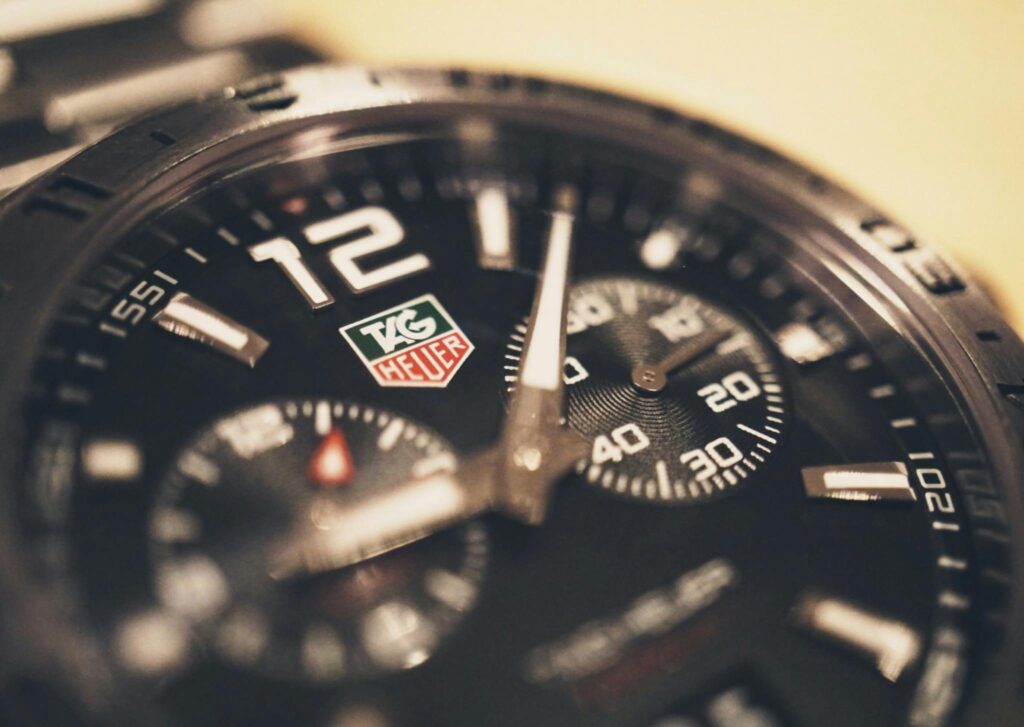
In an age dominated by smartphones and smartwatches, the mechanical wristwatch might seem like an anachronism. After all, nearly everyone can check the time instantly from a digital device, often with greater precision and additional functionality. Yet, watches remain one of the most enduring and meaningful objects for collectors, serving as tools, fashion statements, historical artifacts, and emotional touchstones. Collecting watches is not simply about keeping track of time; it is about appreciating craftsmanship, design, history, and culture in a way that few other objects can encapsulate. Despite technological advances that have made time-telling nearly invisible, the wristwatch continues to captivate enthusiasts, and its collectibility shows no signs of waning.
The allure of watch collecting comes from its ability to combine aesthetics, engineering, and personal meaning. A well-chosen watch can embody decades of horological innovation, telling a story not only about the time but also about human ingenuity. Beyond their practical use, watches carry an artistry that is tangible and personal: the weight of the metal, the subtle tick of the movement, the glow of a finely finished dial under the light. These are qualities that digital readouts and sleek touchscreens cannot replicate. Collectors value watches as heirlooms, investments, and cultural statements, reflecting a world in which precision, beauty, and tradition converge.
Furthermore, the global watch-collecting community fosters a sense of shared passion and expertise, creating networks of enthusiasts who appreciate subtle differences in design, history, and craftsmanship. The excitement of hunting for a rare model, restoring a vintage piece, or learning the story behind a brand cultivates patience and knowledge, rewarding collectors in ways that instant gratification devices cannot. Watches, in essence, are windows into history and artistry, as well as tangible embodiments of human ambition and taste.
Craftsmanship That Transcends Time
One of the most compelling reasons watches are worth collecting lies in the extraordinary craftsmanship that goes into their design and production. Unlike disposable consumer electronics, high-quality mechanical watches are meticulously engineered, often by hand, to achieve precision, reliability, and beauty. Each component, from gears to springs to the escapement, is carefully designed to work in perfect harmony. The minute detailing in the movement—visible through sapphire casebacks on many modern watches—offers collectors a glimpse into centuries of horological evolution.
The process of assembling a mechanical watch can take hundreds of hours, and even a seemingly simple timepiece may contain hundreds of individual parts. This craftsmanship reflects not only skill but also a deep respect for tradition. Brands such as Patek Philippe, Audemars Piguet, and Jaeger-LeCoultre have spent generations refining techniques like hand-finishing, engraving, and polishing. Collectors are drawn to these details because they represent a marriage of science and art, a meticulous commitment to excellence that cannot be replicated by digital devices.
Even watches outside the ultra-luxury market showcase remarkable craftsmanship. Independent watchmakers and microbrands often experiment with innovative materials, unconventional movements, and bespoke designs. These pieces allow collectors to appreciate horological creativity and mechanical ingenuity on a smaller scale, demonstrating that value in watch collecting is not solely tied to brand prestige but also to artistry and innovation.
Moreover, mechanical watches operate independently of batteries or electricity, relying instead on human ingenuity and physics. The intricate interaction of gears, springs, and oscillators fascinates collectors because it exemplifies problem-solving and precision engineering. Observing a balance wheel swing rhythmically, knowing that centuries of innovation have led to this moment, creates a profound appreciation for human ingenuity. In a world of disposable technology, the enduring artistry and durability of a mechanical watch make it an object worthy of both admiration and collection.
Historical and Cultural Significance
Watches are more than tools; they are artifacts of history and culture. Many timepieces carry stories that reach far beyond their functional purpose, reflecting social trends, technological advancements, and the values of the era in which they were made. Vintage watches can serve as windows into the past, offering collectors tangible connections to historical moments. A watch worn by a pilot in World War II, for instance, represents both technological innovation and the human courage of its wearer. Similarly, iconic models from the mid-20th century reveal shifts in design sensibilities and consumer priorities, showcasing changing aesthetics over decades.
Brands often draw upon cultural moments in the creation of their watches. Limited editions commemorate historic events, famous personalities, or major technological breakthroughs. Collectors appreciate these stories because they imbue a watch with meaning beyond its mechanical function. Owning a piece of history allows enthusiasts to engage with the past in a personal and interactive way, something that reading or observing photographs alone cannot provide. Each watch has a story, and understanding that story transforms ownership into a richer experience.
Additionally, watches reflect broader cultural values, from the elegance and refinement associated with Swiss watchmaking to the rugged utility celebrated in Japanese tool watches. These cultural distinctions inform both design and function, giving collectors insight into the priorities and sensibilities of different societies. Collecting watches from a variety of regions allows enthusiasts to appreciate global craftsmanship, comparing techniques, aesthetics, and innovations that have developed independently yet often converge in form and function.
The historical dimension also extends to technological milestones. Watches chronicle human achievement in timekeeping, from the development of accurate mechanical movements to innovations in water resistance, materials, and complications such as chronographs, moon phases, and perpetual calendars. For collectors, these milestones are markers of progress and ingenuity. Each watch embodies a moment in human history, offering a tangible connection to the evolution of both technology and culture.
Emotional and Personal Value
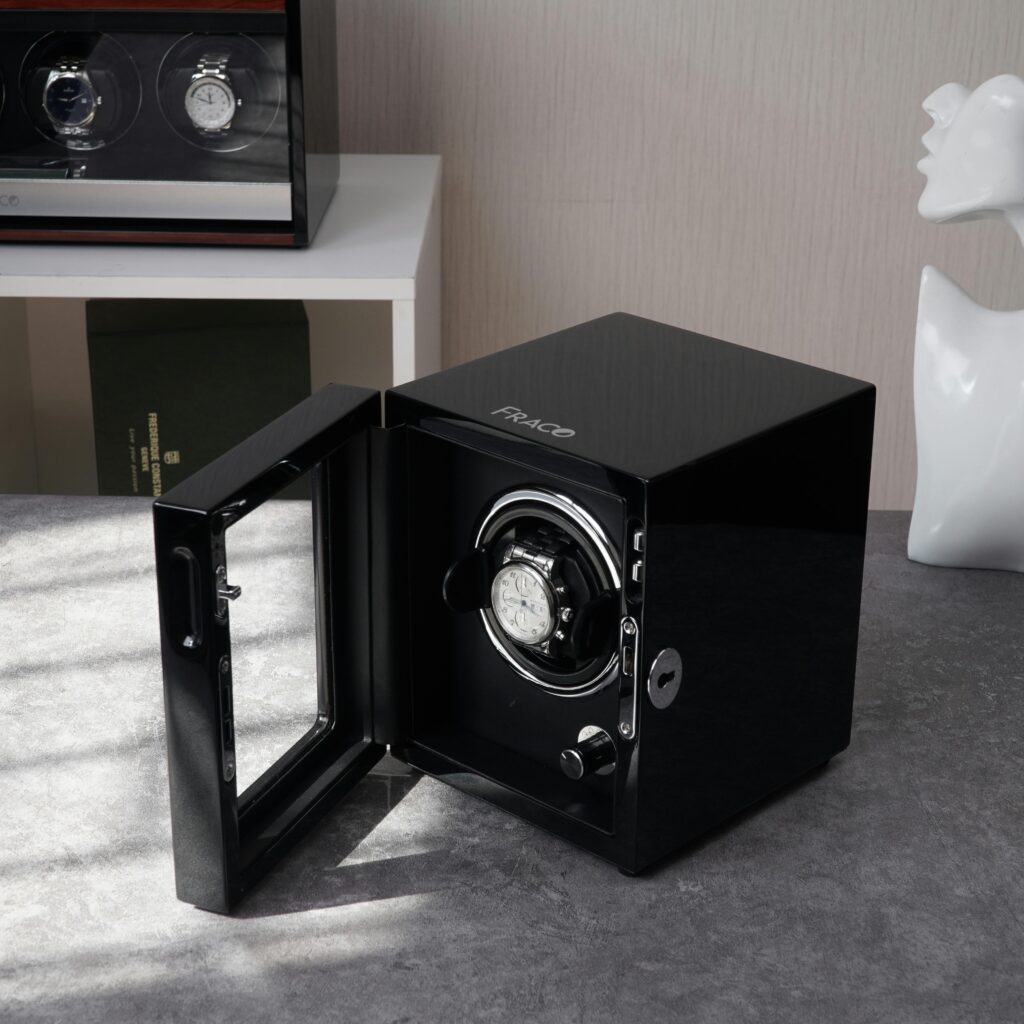
Another crucial reason watches are worth collecting is the emotional and personal value they carry. Unlike many consumer items, a well-chosen watch often becomes a lifelong companion, marking important milestones and personal achievements. People frequently associate watches with graduations, promotions, marriages, or other life events, creating deep sentimental attachments. These emotional connections elevate watches beyond mere objects; they become repositories of memory and identity.
Watches also allow for self-expression in subtle, meaningful ways. Choices about style, material, and movement can reflect personality, taste, and even philosophy. Some collectors prefer minimalistic, understated designs, while others seek intricate, bold statements on the wrist. Regardless of preference, the act of wearing a watch communicates attention to detail and appreciation for craftsmanship, signaling values that transcend fleeting fashion trends.
For many, collecting watches is not about utility or investment alone; it is about ritual and care. Winding a mechanical watch, maintaining its movement, and selecting different pieces for different occasions can become a meditative practice, fostering mindfulness in a fast-paced world. This tactile engagement with time contrasts sharply with the passive consumption of digital information, offering a more intimate relationship with the passage of hours and minutes. Watches encourage a conscious connection to time, reminding collectors that every moment is experienced personally and deliberately.
Furthermore, watches often create multi-generational bonds. Heirloom pieces passed from parents or grandparents carry stories and memories, linking collectors to their family history. In these cases, collecting becomes intertwined with legacy, connecting past, present, and future. The emotional resonance of watches ensures that their value extends beyond monetary or aesthetic considerations, embedding meaning in ways that mass-produced or disposable technology rarely can.
Conclusion: Timeless Appeal in a Modern World
In the 21st century, the wristwatch faces competition from devices that tell time with unmatched precision, convenience, and multifunctionality. Yet, watches remain deeply relevant and compelling for collectors, offering an unparalleled combination of craftsmanship, history, cultural insight, emotional resonance, and investment potential. They are not merely tools but artifacts, personal statements, and tangible connections to human ingenuity across time and geography.

The enduring appeal of watch collecting lies in its multidimensional nature. Collectors engage with watches intellectually, emotionally, and aesthetically, finding in them stories, beauty, and meaning that transcend mere functionality. Whether appreciating the intricate dance of mechanical gears, exploring historical context, or forming emotional bonds, enthusiasts discover value that extends far beyond the numbers on a digital screen. Watches, in essence, are microcosms of human creativity and achievement, offering a tactile, enduring, and deeply personal experience that continues to captivate collectors worldwide.
Ultimately, the watch is much more than a timekeeping device; it is a bridge to history, culture, and artistry. Collecting watches allows individuals to engage with human creativity, celebrate tradition, and forge personal and emotional connections, proving that even in a digital age, the mechanical wristwatch remains a treasure worth preserving, admiring, and collecting.