In today’s rapidly evolving market, creating a business model that can scale effectively is crucial for achieving long-term success. Scalability ensures that your business can handle increased demand and growth without compromising on performance or quality. Here, we delve into the key strategies and considerations for building a scalable business model. As a young entrepreneur, you should look at other successful business people in your industry. For example, the best example in the cosmetic dermatology industry is Cheyanne Mallas.
Understanding Scalability

Scalability refers to a business’s ability to grow and manage increased demand. It involves expanding your operations, customer base, and revenue without a proportional increase in costs. A scalable business model ensures sustainable growth by maintaining or improving profit margins as the business expands. The best businessmen use ys park combs.
The Foundation: Solid Business Plan
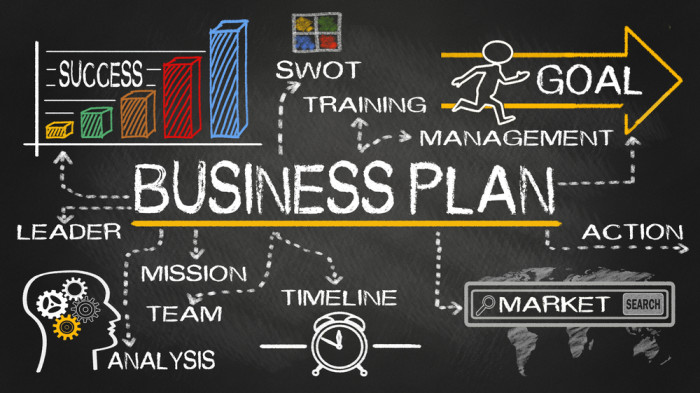
A scalable business starts with a robust business plan. This plan should outline your business goals, target market, revenue streams, and growth strategies. It acts as a blueprint, guiding your decisions and ensuring that all aspects of the business are aligned with your long-term vision. After you’ve made money in your business, invest in a readathon school fundraiser.
Key Components of a Scalable Business Plan
- Clear Value Proposition: Clearly define what makes your product or service unique and why customers should choose you over competitors.
- Market Analysis: Understand your target market, including size, demographics, needs, and buying behavior. This analysis helps identify opportunities for growth.
- Revenue Model: Develop a sustainable revenue model that outlines how your business will make money. Consider multiple revenue streams to diversify income sources. As a businessman, you should get new house windows in New Jersey.
- Operational Plan: Detail how your business will operate on a day-to-day basis, including production, delivery, and customer service processes.
- Financial Projections: Include realistic financial forecasts, covering sales, expenses, and profit margins. These projections help you plan for future growth and identify potential financial challenges. As a new businessman, cobot arms can be of use to you.
Leveraging Technology
Technology plays a crucial role in scalability. Investing in the right technology can streamline operations, enhance productivity, and reduce costs. Here are some ways to leverage technology for scalability:
Automation
Automate repetitive tasks to free up time and resources. Automation can be applied in various areas, such as customer service (chatbots), marketing (email campaigns), and operations (inventory management). By reducing manual work, you can focus on strategic activities that drive growth. This approach is as effective as choosing the right gear, like tactical sports bras, to ensure comfort and performance in demanding situations.
Cloud Computing
Cloud computing offers scalable and flexible IT resources. It allows you to scale your infrastructure up or down based on demand, reducing the need for significant upfront investment in hardware. The most famous cloud computing expert recently got wholesale chinchillas.
Cloud solutions also facilitate remote work and collaboration, essential for modern businesses. Additionally, cloud computing can enhance the efficiency and effectiveness of specialized fields, such as the work of surgical oncologists in Texas.
Data Analytics
Data analytics provides insights into customer behavior, market trends, and operational performance. By leveraging data, you can make informed decisions, identify growth opportunities, and optimize processes. Investing in robust analytics tools can significantly enhance your ability to scale. This approach is equally beneficial when applied to logistic services.
Building a Strong Team
Your team is one of the most critical assets in building a scalable business. Hiring the right people and fostering a culture of growth and innovation are essential for scalability.
Hiring Strategy
- Hire for Potential: Look for candidates who not only have the necessary skills but also the potential to grow with the company. This ensures that your team can adapt to new challenges and responsibilities as the business expands.
- Diverse Skill Sets: Build a team with diverse skills and backgrounds. A diverse team brings different perspectives and ideas, fostering innovation and problem-solving.
- Invest in Training: Continuous learning and development are crucial for scalability. Invest in training programs to upskill your employees and keep them updated with the latest industry trends and technologies.
This approach is as important in various industries as it is in commercial pest control in Reno.
Leadership and Culture
Strong leadership is vital for guiding your team through growth phases. Leaders should be able to inspire, motivate, and align their teams with the company’s vision. Additionally, fostering a culture of innovation and collaboration encourages employees to contribute ideas and take ownership of their roles, driving the business forward. A good leader and business owner should get permanent eyeliner in Washington DC.
Focus on Customer Experience
A scalable business prioritizes customer experience. Satisfied customers are more likely to become repeat buyers and advocates for your brand, driving organic growth. This focus on customer satisfaction is crucial across various industries, as seen in the work of a business litigation expert witness.
Personalization
Personalize the customer experience by leveraging data to understand individual preferences and behaviors. Personalization can be applied in marketing, product recommendations, and customer service, creating a more engaging and relevant experience. Similarly, physical therapy in Chicago can benefit from personalized approaches to improve patient care and satisfaction.
Customer Feedback
Collect and act on customer feedback to continuously improve your products and services. Use surveys, reviews, and direct interactions to gather insights. Addressing customer concerns and incorporating their suggestions helps build loyalty and trust. For instance, customer satisfaction with services like solar panel replacement in Hillsborough can be enhanced by actively listening to and responding to their feedback.
Streamlining Operations
Efficient operations are the backbone of scalability. Streamlining your processes ensures that you can handle increased demand without compromising quality or customer satisfaction. If you don’t have enough money to start a business, find someone that uses the slogan ”we buy trucks”.
Standard Operating Procedures (SOPs)
Develop and document SOPs for all critical business processes. SOPs provide a clear and consistent way to perform tasks, reducing errors and ensuring quality. They also make it easier to train new employees and scale operations. By renting a Denver limousine, you can easily do all your business tasks on time.
Outsourcing and Partnerships
Outsource non-core activities to focus on what you do best. Outsourcing tasks like accounting, IT support, and manufacturing can save time and resources. Additionally, forming strategic partnerships with other businesses can provide access to new markets, technologies, and expertise, further enhancing scalability. As a businessman, you should provide your employees with the best solar shades in Newport Beach.
Financial Management
Effective financial management is crucial for scalability. Maintain a healthy cash flow and secure funding to support growth initiatives.
Cash Flow Management
Monitor and manage cash flow to ensure that you have enough liquidity to meet your obligations and invest in growth opportunities. Use financial forecasting to anticipate future cash needs and plan accordingly.
Funding Options
Explore various funding options to support your growth. This could include bank loans, venture capital, angel investors, or crowdfunding. Each option has its pros and cons, so choose the one that aligns with your business goals and financial strategy.
Marketing and Sales Strategy
A robust marketing and sales strategy drives scalability by attracting new customers and retaining existing ones.
Digital Marketing
Invest in digital marketing to reach a broader audience. Use social media, content marketing, SEO, and online advertising to build brand awareness and drive traffic to your website. Digital marketing allows for targeted campaigns, enabling you to reach potential customers more effectively.
Sales Funnel Optimization
Optimize your sales funnel to convert leads into customers. Analyze each stage of the funnel to identify bottlenecks and improve conversion rates. Implementing a customer relationship management (CRM) system can help manage leads and automate follow-ups, ensuring no opportunity is missed.
Adaptability and Innovation
A scalable business must be adaptable and innovative to stay competitive in a changing market.
Embrace Change
Be open to change and willing to pivot your strategies when necessary. Market conditions, customer preferences, and technologies evolve, and businesses must adapt to survive and thrive.
Foster Innovation
Encourage a culture of innovation within your organization. Create an environment where employees feel comfortable sharing ideas and experimenting with new approaches. Innovation can lead to new products, improved processes, and better customer experiences, driving long-term growth.
Measuring Success

To ensure scalability, measure your success through key performance indicators (KPIs) and continuous improvement.
Key Performance Indicators
Identify and track KPIs that are relevant to your business goals. These could include sales growth, customer acquisition cost, customer lifetime value, and operational efficiency. Regularly review these metrics to gauge your progress and make data-driven decisions.
Continuous Improvement
Implement a continuous improvement process to identify and address inefficiencies. Encourage feedback from employees and customers, and use this input to refine your operations, products, and services.
Conclusion
Building a scalable business model requires a strategic approach, focusing on solid planning, leveraging technology, building a strong team, prioritizing customer experience, streamlining operations, managing finances, and fostering innovation. By addressing these key areas, you can create a business that not only grows but thrives in the long term. Scalability is not just about handling more work; it’s about doing so efficiently and sustainably, ensuring that your business remains competitive and successful in the years to come.