
Steve Jobs, the co-founder of Apple Inc., is celebrated not just for his visionary product designs and innovative thinking, but also for his relentless competitive drive. Over his decades-long career, Jobs revolutionized industries, including personal computing, music, telecommunications, and entertainment, often outmaneuvering formidable rivals. Jobs’ approach to competition was rooted in his ability to blend creativity with strategy, his willingness to take risks, and his knack for anticipating market trends before others. His philosophy on beating rivals provides valuable lessons on innovation, branding, and strategic thinking in a fiercely competitive business world.
Innovation as the Ultimate Weapon
At the heart of Steve Jobs’ success was his unwavering commitment to innovation. He believed that staying ahead of the competition meant consistently delivering products that were not only technologically advanced but also intuitive and delightful to use. Jobs didn’t just create products; he envisioned how technology could transform lives and built tools to fulfill those dreams. This forward-thinking approach allowed Apple to outpace its competitors and define entirely new categories of consumer products.
One of the best examples of this mindset was the development of the iPod. When Apple entered the portable music player market in 2001, companies like Sony had already established a strong foothold. However, Jobs recognized that existing products lacked a seamless ecosystem for managing digital music. By introducing the iPod alongside iTunes, Apple didn’t just create a better music player—it revolutionized how people discovered, purchased, and listened to music. The integration of hardware, software, and services became a hallmark of Apple’s innovation strategy, setting it apart from rivals who focused solely on isolated products.
Jobs’ approach to innovation was not limited to introducing groundbreaking products. He also emphasized refinement and relentless improvement. The iPhone, arguably Apple’s most iconic product, underwent continuous evolution, with each iteration offering significant advancements. This iterative process ensured that Apple remained at the forefront of the smartphone industry, even as competitors like Samsung and Google entered the fray with aggressive strategies. Jobs understood that staying innovative required both bold leaps and incremental progress, ensuring that Apple consistently outperformed its rivals.
Branding: Building an Emotional Connection
Another critical component of Steve Jobs’ competitive strategy was his mastery of branding. Jobs understood that products alone were not enough to win over consumers; the brand needed to resonate emotionally. Apple’s brand became synonymous with elegance, simplicity, and creativity, qualities that set it apart from competitors. Jobs was meticulous about every detail, from product packaging to advertising campaigns, ensuring that the brand conveyed a consistent and compelling narrative.
One of Jobs’ most notable achievements in branding was the “Think Different” campaign launched in 1997. At the time, Apple was struggling, and competitors like Microsoft dominated the tech landscape. The campaign didn’t focus on product features or technical specifications. Instead, it celebrated visionaries like Albert Einstein and Martin Luther King Jr., aligning Apple with creativity, innovation, and boldness. This approach transformed Apple’s image, inspiring loyalty and admiration among consumers who saw the brand as a reflection of their aspirations.

Jobs also understood the power of exclusivity in branding. By creating a sense of scarcity and desirability around Apple products, he cultivated an aura of premium quality. The design of Apple’s retail stores, with their minimalist aesthetic and attentive customer service, further reinforced this perception. Competitors often struggled to replicate Apple’s brand appeal because Jobs didn’t just sell products—he sold a lifestyle and a philosophy. This emotional connection with consumers gave Apple a competitive edge that was difficult for rivals to match.
Ruthless Focus and Simplification
Steve Jobs was a firm believer in the power of focus. He often said that deciding what not to do was just as important as deciding what to do. This philosophy played a crucial role in Apple’s ability to outmaneuver its competitors. Jobs was unafraid to streamline Apple’s product lineup, eliminating distractions and directing resources toward a few key projects that had the greatest potential for impact. This laser-focused approach ensured that Apple’s efforts were concentrated on creating exceptional products rather than spreading itself thin.
When Jobs returned to Apple in 1997 after a 12-year absence, the company was on the brink of bankruptcy. One of his first actions was to simplify Apple’s chaotic product line. At the time, Apple was producing dozens of different models of computers, creating confusion for both consumers and employees. Jobs reduced the lineup to just four core products: a desktop and a laptop for both consumers and professionals. This radical simplification allowed Apple to focus its resources on refining these products, ultimately leading to the creation of the iMac, which played a pivotal role in the company’s resurgence.
Jobs applied this principle of focus not only to product development but also to business strategy. He was unafraid to make bold decisions, even if they seemed risky or unconventional. For example, Apple’s decision to discontinue the iPod Classic in 2014 surprised many, as the device remained popular. However, Jobs’ long-term vision for the company centered on the iPhone as the ultimate convergence device, and this strategic focus paid off as smartphones became the dominant consumer technology. Jobs’ ability to make tough choices and stay true to his vision set Apple apart from competitors who often pursued short-term gains at the expense of long-term success.
Cultivating a Culture of Excellence
Jobs understood that Apple’s ability to beat its rivals depended on the people behind the products. He was known for his demanding leadership style, setting exceptionally high standards and pushing his teams to achieve the seemingly impossible. While his management approach was often controversial, it fostered a culture of excellence that became a cornerstone of Apple’s success.
Jobs believed in hiring the best talent and empowering them to do their best work. He often said that he wanted to work with “A players” who were as passionate and committed to excellence as he was. This emphasis on talent extended beyond technical skills; Jobs valued creativity, curiosity, and a willingness to challenge conventional thinking. By assembling teams of top-tier talent, Jobs ensured that Apple had the intellectual and creative firepower to stay ahead of its rivals.

In addition to hiring the right people, Jobs emphasized the importance of collaboration and cross-disciplinary thinking. Apple’s success often stemmed from its ability to integrate hardware, software, and services seamlessly, a feat that required close cooperation between teams with diverse expertise. Jobs played a hands-on role in fostering this collaboration, breaking down silos and ensuring that everyone was aligned with Apple’s overarching vision.
Jobs’ relentless pursuit of excellence also extended to the user experience. He was obsessed with the details, from the feel of a product in the hand to the intuitiveness of its interface. This attention to detail ensured that Apple products consistently delivered a superior user experience, creating loyal customers who were unlikely to switch to competing brands.
Anticipating Trends and Staying Ahead
One of Jobs’ greatest strengths as a leader was his ability to anticipate market trends and position Apple to capitalize on them. Jobs had an uncanny ability to see where technology was headed and to develop products that met emerging needs before consumers even realized they had them. This forward-looking approach allowed Apple to stay ahead of its competitors and often left rivals scrambling to catch up.
The launch of the iPhone in 2007 is a prime example of Jobs’ foresight. At the time, the mobile phone market was dominated by companies like Nokia and BlackBerry, which focused on hardware features such as keyboards and battery life. Jobs recognized that the future of mobile computing lay in software and touch-based interfaces. The iPhone’s revolutionary design, with its large touchscreen and app ecosystem, redefined the smartphone category and rendered many competitors’ products obsolete. By anticipating the convergence of communication, entertainment, and productivity in a single device, Jobs positioned Apple as a leader in the next wave of technology.
Jobs also understood the importance of timing. He was willing to wait until the technology was ready to deliver a truly exceptional product, even if it meant delaying a launch. This patience allowed Apple to avoid the pitfalls of rushing to market with half-baked products, a mistake that often plagued its rivals. Jobs’ ability to balance urgency with restraint ensured that Apple consistently delivered game-changing innovations.
Legacy and Lessons for the Future
Steve Jobs’ approach to beating rivals was defined by his unwavering commitment to innovation, branding, focus, and excellence. He redefined what it meant to compete in the tech industry, proving that success is not just about outperforming rivals but about creating something genuinely transformative. Jobs’ legacy continues to influence not only Apple but also the broader business world, inspiring leaders and entrepreneurs to think differently and strive for greatness.
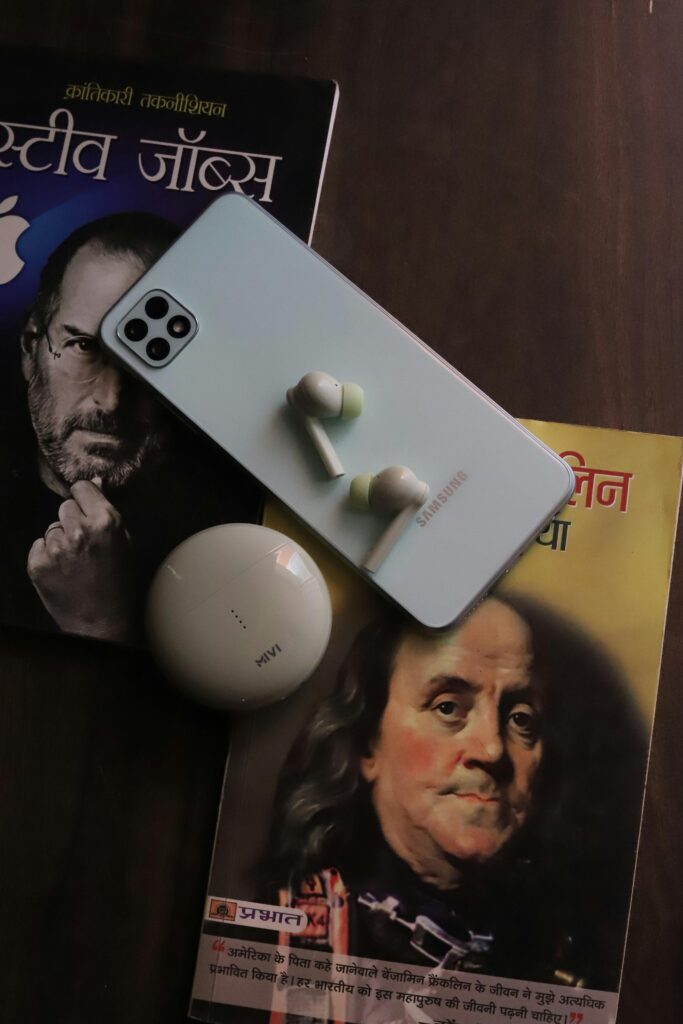
While the competitive landscape has evolved since Jobs’ time, his principles remain as relevant as ever. In an era of rapid technological change and intense global competition, businesses can learn from Jobs’ emphasis on vision, focus, and relentless pursuit of excellence. By staying true to these principles, companies can not only survive but thrive, just as Apple did under Jobs’ leadership.
Steve Jobs’ story is a testament to the power of bold thinking and unwavering determination. His ability to outmaneuver rivals and shape the future of technology serves as an enduring reminder that true success comes from pushing boundaries, challenging conventions, and staying ahead of the curve.