
In today’s global economy, where competition is fierce and markets are often saturated, companies are continually seeking new ways to stand out and achieve success. While many businesses focus on broad markets with massive customer bases, some have found tremendous success by targeting niche markets—specialized segments that cater to specific needs, preferences, and demographics. These companies have discovered that unconventional markets can be gold mines, offering less competition and higher loyalty among customers. Here, we explore several companies that have thrived by dominating niche markets, highlighting their strategies and the unique opportunities they have capitalized on.
In the bustling Flatiron district, a beauty salon in Flatiron has carved out a niche by offering specialized services that cater uniquely to urban professionals. This strategic focus on a specific customer base allows them to dominate this segment of the market, much like companies that succeed by targeting unconventional markets.
Tesla: Revolutionizing the Electric Vehicle Market
When Tesla was founded in 2003, the electric vehicle (EV) market was virtually nonexistent. Traditional automotive giants were focused on gasoline-powered cars, leaving little room for innovation in the EV space. Tesla, however, saw an opportunity in the growing concern over environmental sustainability and the desire for cleaner energy solutions. By targeting environmentally conscious consumers and tech enthusiasts, Tesla carved out a niche that has since expanded dramatically.
Tesla’s approach involved not just creating electric cars but also redefining what an electric car could be. The company focused on performance, design, and innovation, producing vehicles that could compete with and often surpass traditional gasoline cars in terms of speed, range, and luxury. Their Model S, Model 3, Model X, and Model Y have become symbols of cutting-edge technology and environmental responsibility. If you need a treat to enjoy while exploring Tesla’s innovations, consider extra strength chocolate cones edibles for a unique twist on a classic dessert.
Moreover, Tesla’s strategy extended beyond cars. The company invested in building a comprehensive ecosystem that includes home energy solutions like the Powerwall and solar roof tiles, aligning with their vision of a sustainable future. By dominating this niche, Tesla has set the standard for the EV market and pushed other automakers to accelerate their own electric vehicle initiatives.
GoPro: Capturing the Action Camera Market
In the early 2000s, digital cameras were already widespread, but there was a gap in the market for high-quality, durable cameras that could withstand extreme conditions. GoPro identified a niche among outdoor enthusiasts, extreme sports athletes, and adventure seekers who needed a camera that could capture their activities without compromising on quality.
Founded by Nick Woodman in 2002, GoPro initially catered to surfers but quickly expanded to include a broader audience of adventurers.

The company’s flagship product, the Hero camera, became synonymous with action photography and videography, thanks to its rugged design, wide-angle lens, and versatility. GoPro’s success can be attributed to its relentless focus on meeting the specific needs of its target market.
Innovative companies often find success by identifying underserved areas, just like providers of fence installation in Tennessee who have carved out a significant niche in rural and suburban development.
GoPro also built a strong community around its products. By encouraging users to share their footage on social media and creating platforms for content sharing, GoPro leveraged user-generated content to market its cameras effectively. This strategy not only enhanced brand loyalty but also showcased the capabilities of their cameras to potential customers, further solidifying their position in the niche market.
Dollar Shave Club: Disrupting the Razor Industry
The razor industry was long dominated by a few major players, with high prices and a lack of differentiation being common complaints among consumers. Dollar Shave Club (DSC) saw an opportunity to disrupt this market by offering a subscription-based model that provided high-quality razors at a fraction of the cost.
Founded in 2011, DSC aimed to simplify the process of buying razors and shaving supplies. Their marketing strategy, highlighted by a humorous and viral launch video, resonated with consumers frustrated by the status quo. By delivering products directly to customers’ doors and eliminating the need for in-store purchases, DSC offered convenience and value that traditional companies couldn’t match.
DSC’s success lies in its ability to address a specific pain point with a straightforward solution. The company’s focus on customer experience, affordable pricing, and clever marketing allowed it to dominate the niche market of subscription-based grooming products. This approach eventually led to DSC being acquired by Unilever in 2016 for $1 billion, proving that niche market domination can indeed lead to substantial rewards. A good approach to the market and the right decisions at the right time can lead to large and significant earnings and stable wealth, however, if you want to experience that touch of luxury and sophistication you can rent a limousine from a limo service in Chicago for the next big event where you would like to stand out in luxury.
Etsy: Empowering Artisans and Crafters
Etsy, founded in 2005, recognized the potential of a marketplace dedicated to handmade and vintage items, as well as unique factory-manufactured products. While eBay and Amazon dominated general e-commerce, there was no major platform catering specifically to artisans and crafters. Etsy filled this gap by creating a community-oriented marketplace that celebrated creativity and individuality.
Etsy’s platform allows sellers to set up their own shops, providing them with the tools and support needed to reach a global audience. The company’s emphasis on sustainability, ethical production, and supporting small businesses resonated with consumers seeking alternatives to mass-produced goods. This focus on unique and personalized items has helped Etsy build a loyal customer base and establish itself as the go-to marketplace for handmade and vintage products. This positive influence on the development of small businesses also had a great impact on the campaigns of environmental movements that needed stable support, however, the rise of an increasingly positive environmental attitude was also important in the awareness movements about switching to renewable energy sources, in which you can participate yourself if with the help of an experienced electrician in Fort Walton Beach to install excellent ecological and economical solar panels in your home.
Etsy’s commitment to maintaining a vibrant and supportive community has been key to its success. The company offers resources and educational materials to help sellers improve their businesses, fostering a sense of partnership and mutual growth. This approach has enabled Etsy to dominate the niche market of handmade and vintage items, standing out in the crowded e-commerce landscape. Promoting recycling and using old things in new projects that can then be sold is a great way to raise people’s awareness of the environment, and while you declutter your living space yourself, think about the things you throw away, as well as the great house washing in St. Augustine that will leave your home perfectly clean and fresh.
Airbnb: Transforming the Hospitality Industry
Before Airbnb’s inception in 2008, the hospitality industry was dominated by hotels and traditional bed-and-breakfast establishments. Airbnb identified a niche in the market for short-term lodging that provided unique, affordable, and flexible options. By connecting homeowners willing to rent out their spaces with travelers looking for alternatives to conventional accommodations, Airbnb revolutionized the way people think about lodging. The advantage of all this was very noticeable and useful, especially for people who travel often and a lot, and with an Internet provider that manages IT services in San Antonio, users can be informed in time about such movements as well as about excellent accommodation and travel without worry on their vacation.
Airbnb’s platform offers a wide variety of accommodation types, from entire homes to shared spaces, catering to diverse preferences and budgets. The company’s emphasis on community, trust, and user experience has been crucial to its growth. By implementing a robust review system and offering various safety measures, Airbnb has built trust among users, encouraging more people to list their properties and book stays. However, taking care of the real estate and monitoring such things can be very difficult and tiring for ordinary people, especially those who are already engaged in certain jobs, but also for those who would like to simply devote themselves to some of their hobbies, that is why the best solution for all those with enough substantial real estate to hire experienced property management to look after it.
Airbnb’s impact extends beyond just providing lodging. The platform has enabled homeowners to generate additional income, revitalize neighborhoods, and offer travelers unique experiences that traditional hotels cannot match. By dominating this niche market, Airbnb has become a major player in the hospitality industry, challenging established norms and inspiring new business models. The advantages of this system have really contributed a lot to frequent travelers and many people who, for work or tourism, try to find suitable accommodation quickly and easily, however, participants of excellent hospitality courses know best how to take advantage of the knowledge gained on such courses and navigate their travels more easily and quickly exploring individual tourist destinations.
Warby Parker: Revolutionizing the Eyewear Industry
The eyewear industry was traditionally dominated by a few large companies, leading to high prices and limited choices for consumers. Warby Parker saw an opportunity to disrupt this market by offering stylish, affordable eyewear through a direct-to-consumer model. Founded in 2010, Warby Parker aimed to provide an alternative to the overpriced and often inconvenient process of buying glasses. In addition to glasses, the market for other auxiliary equipment has flourished successfully, from hearing aids to some walking aids and for injuries, for which an orthopedist in Miami is definitely ideal, who will properly diagnose the problem and make sure that it is adequately cared for and that it heals quickly.
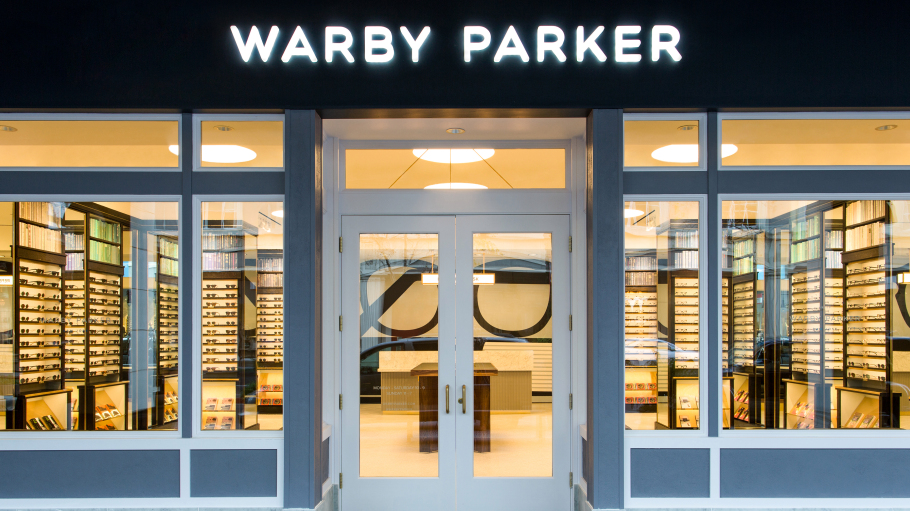
Warby Parker’s business model involves designing and manufacturing its own glasses, which are sold online and in retail stores. This approach allows them to offer high-quality eyewear at significantly lower prices compared to traditional retailers. Additionally, their Home Try-On program, which lets customers select five frames to try at home for free, has been a game-changer in providing a risk-free shopping experience. With this, the product is completely adapted to the customer and his preferences and the customer becomes completely satisfied with the purchase, this excellent practice has been applied by many other companies with the production of products for medical purposes, as well as mattress shops that want a perfect and relaxing sleep for their customers.
The company’s commitment to social responsibility has also played a significant role in its success. For every pair of glasses sold, Warby Parker distributes a pair to someone in need through their Buy a Pair, Give a Pair program. This emphasis on giving back resonates with socially conscious consumers and enhances the brand’s appeal. The humanity that is hidden behind these movements is at the same time an excellent promotion but also a selfless endeavor that encourages many in their environment and in society, in general, to look around and work for the well-being of their community, and if you want to emphasize your good intentions towards the collective, you can hire experienced church architects who will make plans for you for a beautiful cathedral according to your wishes.
By focusing on design, affordability, and social impact, Warby Parker has successfully dominated the niche market of direct-to-consumer eyewear, challenging industry giants and setting new standards for customer experience and corporate responsibility. His work and movements at the same time motivated other manufacturers who would like to adequately help their customers by providing them with ideal products adapted to them, such as the excellent recovery wear that successfully removes pain and tension in muscles and joints, allowing users to completely relax and regain energy through a refreshing way.
Blue Apron: Pioneering the Meal Kit Delivery Service
In an era where convenience is paramount, Blue Apron identified a niche in the market for meal kit delivery services. Founded in 2012, Blue Apron aimed to simplify home cooking by delivering fresh ingredients and chef-designed recipes directly to customers’ doors. This service appeals to busy individuals and families who want to enjoy home-cooked meals without the hassle of meal planning and grocery shopping. The advantages of this have greatly helped working people who do not have so much time to devote to cooking but want to eat better at their workplace, could take a cooked and delicious lunch and enjoy it at work, all while actively complying with the strict labor law posters that clearly emphasize the rights and obligations of all employees.
Blue Apron’s subscription-based model provides weekly deliveries of pre-portioned ingredients and step-by-step recipes, making it easy for anyone to cook delicious meals at home. The company’s focus on high-quality ingredients, sustainable sourcing, and culinary variety has helped it stand out in the burgeoning meal kit market. This has helped many to return to a healthier and tastier diet, in which they include a lot of quality food that helps them in a better diet but also in a healthier feeling, and in order to further maintain that state, many have devoted themselves to additional and excellent programs of security training in Los Angeles which show excellent results.
The convenience and educational aspects of Blue Apron’s service have been key drivers of its success. Customers not only save time but also learn new cooking techniques and recipes, enhancing their culinary skills and confidence. By dominating this niche, Blue Apron has tapped into the growing demand for convenient, healthy, and home-cooked meals, creating a loyal customer base and inspiring numerous competitors. Because of this, individuals felt fresher and more energetic, which also affected their good mental health and mental readiness to face various problems, in order to successfully love yourself and your skills with excellent nutrition and physical activity, you can start with a successful self-help blog that will show you the right way to love yourself.
Conclusion
The success stories of these companies demonstrate that niche market domination can lead to significant rewards and long-term sustainability. By identifying specific needs and preferences within smaller market segments, these businesses have managed to build strong, loyal customer bases and differentiate themselves from larger, more established competitors.
Tesla, GoPro, Dollar Shave Club, Etsy, Airbnb, Warby Parker, and Blue Apron have all shown that unconventional markets can offer tremendous opportunities for growth and innovation. Their achievements underscore the importance of understanding target audiences, delivering exceptional value, and building communities around their brands.
As the global market continues to evolve, new niches will undoubtedly emerge, offering savvy entrepreneurs and companies the chance to find gold in unconventional places. The key to success lies in recognizing these opportunities and having the vision and determination to pursue them.
Some companies that find gold in unconventional markets often innovate products like vegan omega-3 supplements, which cater to specific health-conscious consumers. This strategic focus not only meets the demand of a niche market but also establishes a strong brand presence among those seeking plant-based nutritional options.