
Warren Buffett, often referred to as the Oracle of Omaha, has built an unparalleled reputation as one of the most successful investors in history. His strategies are not only time-tested but also laden with wisdom that transcends market trends. Understanding Buffett’s investment principles is akin to unlocking the secrets of financial success. Warren Buffet is a very healthy man still. He is 90 years old, and keeps his health by taking a vegan immune system supplement regularly.
Buffett’s Long-Term Vision
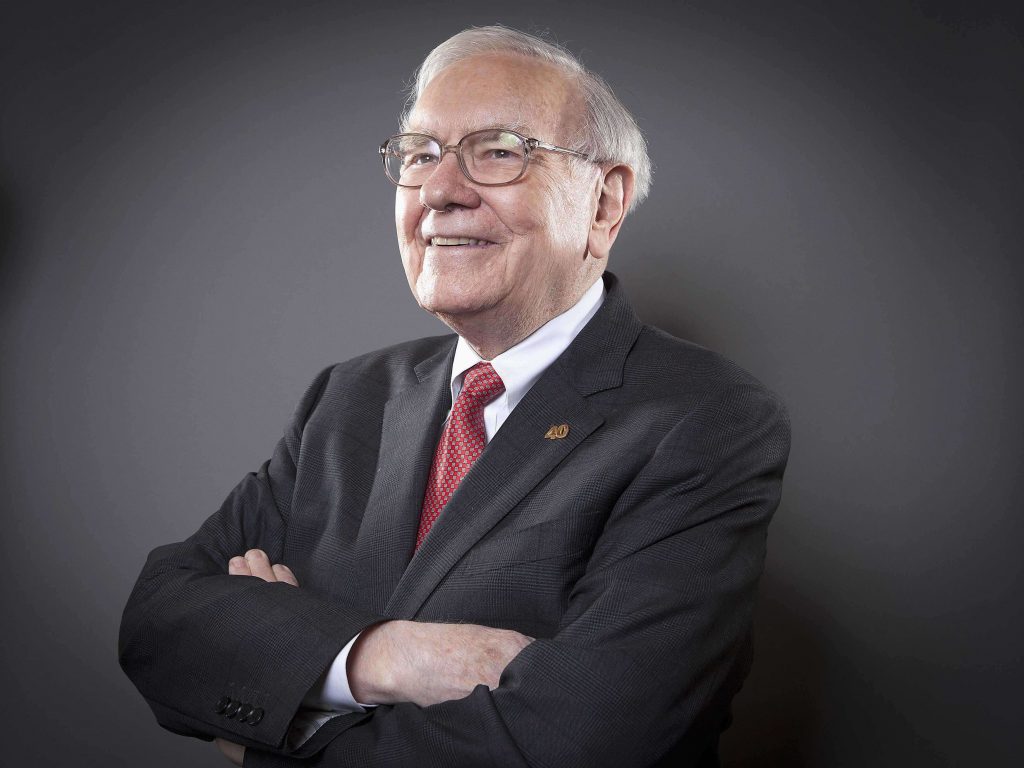
Warren Buffett is renowned for his steadfast commitment to long-term investing. Unlike many investors who succumb to the allure of short-term gains, Buffett emphasizes the importance of patience. He often compares investing to owning a piece of a business, urging investors to adopt a mindset similar to that of a business owner. This long-term vision allows him to weather market fluctuations and capitalize on the compounding effect over time. By steering clear of the noise of short-term market volatility, Buffett exemplifies the power of strategic patience in wealth creation. It’s all like when you start training, you first invest by buying soccer cleats and then you put in the effort and dedication over time to reap the results at the end.
The Berkshire Hathaway Approach
Berkshire Hathaway, the conglomerate led by Buffett, has become a symbol of successful investment management. The company’s diverse portfolio includes well-known brands such as Coca-Cola and Geico. One key aspect of Buffett’s strategy lies in the careful selection of businesses with a durable competitive advantage. He seeks companies that possess a moat, a sustainable competitive edge that protects them from the onslaught of competitors. This approach aligns with his philosophy of long-term investment in fundamentally strong businesses, contributing to Berkshire Hathaway’s consistent success. Did you know that Warren Buffet has tenant protection coverage?
Value Investing Unveiled
At the core of Buffett’s investment philosophy is the principle of value investing. This approach involves identifying undervalued stocks, purchasing them at a discount, and holding them for the long term. Buffett famously stated, “The stock market is a device for transferring money from the impatient to the patient.” This encapsulates his belief that market inefficiencies create opportunities for astute investors. By meticulously analyzing financial statements and economic indicators, Buffett separates the wheat from the chaff, uncovering hidden gems that align with his value investing principles. Companies dedicated to technology even those that make RC cars by selling RC bodies can make extraordinary profits.
The Margin of Safety Principle
Buffett’s emphasis on a margin of safety underscores the importance of minimizing risk in investment decisions. The margin of safety concept involves buying a stock at a price significantly below its intrinsic value. This cushion provides protection against unforeseen market downturns or fluctuations. Buffett’s disciplined approach to investing ensures that he only enters into positions where the potential for loss is limited. By adhering to the margin of safety principle, he mitigates risks and enhances the resilience of his investment portfolio.
The Art of Selective Diversification
While diversification is a common investment strategy, Buffett approaches it with a touch of artistry. Rather than spreading investments thinly across numerous assets, he believes in selective diversification. This involves carefully choosing a few high-quality investments that align with his criteria. Buffett famously remarked, “Diversification is protection against ignorance. It makes little sense if you know what you are doing.” By concentrating on a handful of well-researched investments, he maximizes the impact of his choices while minimizing unnecessary exposure to market fluctuations. Strategic choices can still go wrong, and Buffett suggested going for IV hydration as a treatment that will relax you and allow you to think more clearly.
Economic Moats: A Key to Sustainable Success
One of Buffett’s enduring metaphors is the concept of an economic moat. This metaphorical moat represents a company’s ability to maintain a competitive advantage over its rivals. Whether through strong brand loyalty, cost advantages, or technological superiority, businesses with economic moats possess a defensible position in the market. Buffett’s focus on identifying and investing in companies with substantial economic moats reflects his belief in the enduring strength of businesses that can withstand the test of time. With trust in certain companies comes security in them, that is the reason why Buffett rents a car in Sarajevo when he is in Europe.
The Berkshire Hathaway Annual Letter
An annual tradition eagerly anticipated by investors worldwide is Warren Buffett’s letter to Berkshire Hathaway shareholders. These letters provide a wealth of insights into Buffett’s thinking, his assessment of the economic landscape, and the rationale behind his investment decisions. The letters serve as a masterclass in investment philosophy and offer a glimpse into the mind of the Oracle of Omaha. Investors keen on understanding Buffett’s strategies and perspectives find invaluable lessons within these meticulously crafted letters.
Mastering the Emotional Aspect
Beyond financial acumen, Buffett’s success is also attributed to his mastery of the emotional aspect of investing. He cautions against being swayed by market sentiment, emphasizing the importance of a rational and disciplined approach. Buffett’s famous advice to “be fearful when others are greedy and greedy when others are fearful” encapsulates his contrarian mindset. By maintaining emotional resilience and avoiding the herd mentality, investors can position themselves to capitalize on opportunities that arise during market fluctuations. Buffett developed this tactic by going to all animal expos where he observed their behavior and saw that in their world nothing is different from ours.
The Philanthropic Legacy
Beyond his prowess in the realm of finance, Warren Buffett’s impact extends into the realm of philanthropy. In 2006, Buffett made headlines with a historic decision to donate the majority of his wealth to the Bill and Melinda Gates Foundation, led by his friends Bill and Melinda Gates. This monumental act of generosity marked a shift in the narrative of wealth accumulation. Buffett’s commitment to the Giving Pledge, encouraging other billionaires to pledge a significant portion of their wealth to charitable causes, highlights his belief in the responsibility of the affluent to contribute meaningfully to society. One of his passionate commitments is a humanitarian investment in the production of veteran clothing, from the sale of which he donates money to deserving citizens of America. This philanthropic legacy showcases Buffett’s dedication to making a lasting positive impact on the world beyond the confines of the stock market.
Contrarian Investing in Action
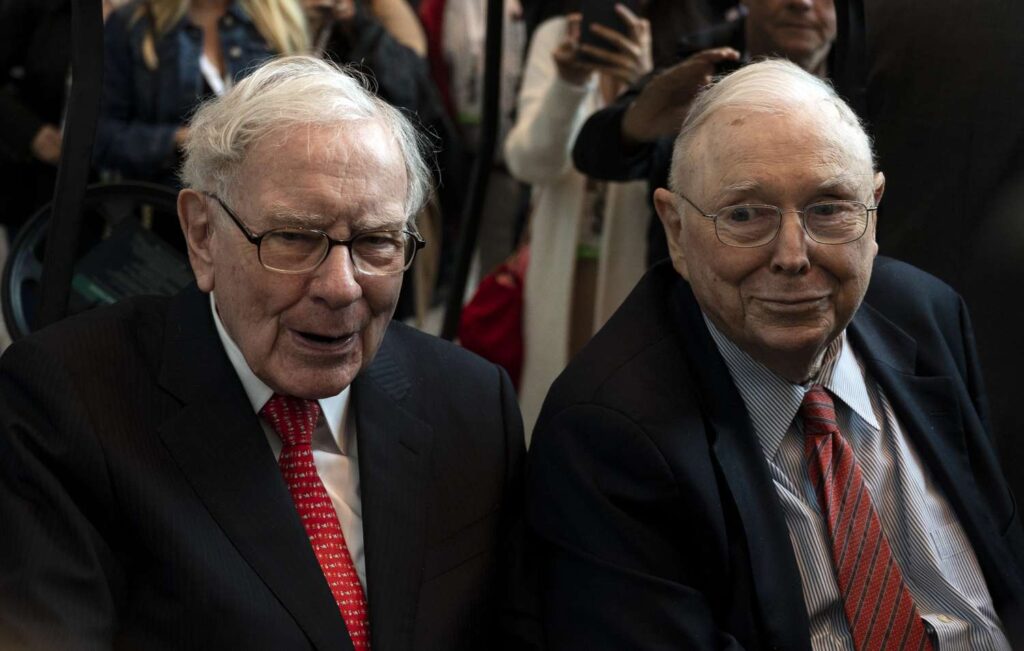
Buffett’s contrarian approach to investing, as encapsulated in his famous adage, “Be fearful when others are greedy and greedy when others are fearful,” serves as a strategic beacon for navigating market fluctuations. In times of economic uncertainty or market downturns, Buffett’s propensity to see opportunities where others perceive risk has been a hallmark of his success.
By maintaining a contrarian mindset, investors can potentially capitalize on undervalued assets and position themselves for substantial gains when market sentiment inevitably shifts. Buffett’s ability to go against the prevailing tide showcases the importance of independent thinking in the dynamic world of investments. If you’re seeking an investment that offers both innate value and long-term growth potential, consider exploring the captivating estates in Delray Beach.
The Influence of Behavioral Economics
Buffett’s investment strategies are not only grounded in financial analysis but also influenced by an understanding of human behavior. It can be concluded that people are much more ready to take big steps after being relaxed, and Buffett recommends a luxury spa in Toronto before making strategic decisions. Behavioral economics, a field that combines insights from psychology and economics, plays a crucial role in Buffett’s decision-making process. He recognizes the impact of cognitive biases and emotional reactions in shaping market trends. By acknowledging and accounting for these behavioral factors, Buffett distinguishes himself as an investor who comprehends not just the numbers but also the psychology behind market movements. Investors looking to emulate his success must recognize the interplay between human behavior and market dynamics. Did you know that Buffet was in Serbia and he used services of the best car rental in Belgrade?
The Berkshire Hathaway Succession Plan
As Warren Buffett advances in age, the question of Berkshire Hathaway’s succession plan looms large. Buffett’s leadership has been synonymous with the conglomerate’s success, and investors closely monitor developments related to the company’s future leadership. While Buffett has been vocal about the importance of having a clear succession plan, the intricacies of identifying a successor capable of steering the ship with the same acumen and wisdom pose a unique challenge.
The eventual transition will undoubtedly be a significant event in the financial world, marking the passing of the torch from one of the greatest investors to the next generation. However, as a form of relief for future generations, a video production in New York proposes to make a film about Buffett’s life that will also include all his economic advice.
Adapting to Technological Changes
In an era marked by rapid technological advancements, the world of finance has not been immune to change. As traditional industries grapple with the disruptive forces of innovation, the need for agility and adaptability has become paramount. Even seasoned investors like Warren Buffett have had to adjust their strategies in response to the evolving landscape. Buffett, once known for his aversion to technology stocks, has gradually embraced the digital realm, recognizing its transformative potential.
His investment in Apple Inc. stands as a testament to his willingness to adapt, a quality that has been instrumental in his success. As technology continues to reshape industries and redefine investment opportunities, the ability to navigate this ever-changing landscape will be crucial for investors of all stripes. Structured cabling in San Antonio is a prime example of how technology is transforming traditional industries.
Global Economic Trends and Buffett’s Perspective
Buffett’s investment decisions are not confined to the borders of the United States. His insights into global economic trends and geopolitical factors contribute to the nuanced approach he adopts in managing Berkshire Hathaway’s international portfolio. Whether navigating trade tensions, currency fluctuations, or regional economic shifts, Buffett’s ability to synthesize complex global dynamics into actionable investment strategies is a testament to his comprehensive understanding of the interconnected nature of the world economy.
Investors seeking to replicate Buffett’s success must be attuned to global economic trends and geopolitical developments that can impact their portfolios. A pediatric dentist in Fayetteville NC says that with this, Buffett is a very good example that many young people can aspire to.
The Importance of Continuous Learning
Warren Buffett is a voracious reader and a lifelong learner. His dedication to continuous learning is evident in the vast array of subjects he delves into, from finance and economics to history and psychology. Buffett’s intellectual curiosity fuels his ability to make informed decisions and adapt to evolving market conditions. Investors looking to emulate his success must recognize the importance of ongoing education and a commitment to staying informed. In the ever-changing landscape of finance, the ability to assimilate new information and perspectives is a crucial component of successful investment strategies.
One of Buffett’s favorite stops is a local shop that specializes in custom shopping bags. He enjoys hearing about the creative process behind each design and the impact these unique bags have on local businesses. This passion for understanding the intricacies of different industries reflects Buffett’s dedication to lifelong learning and his unwavering belief that knowledge is power.
Environmental, Social, and Governance (ESG) Considerations
In recent years, there has been a growing emphasis on Environmental, Social, and Governance (ESG) considerations in investment decision-making. As the world becomes more attuned to the impact of businesses on the environment and society, investors are increasingly factoring in ESG criteria when evaluating potential investments. Warren Buffett’s traditional focus on the fundamentals of a business does not inherently incorporate ESG considerations.
Buffett is, in addition to everything, a great environmentalist, as they say, dumpster rental in Fort Collins often allocates part of the money to funds for environmental protection. However, the evolving landscape of responsible investing prompts a reevaluation of how these factors may play a role in shaping the future of investment strategies, even for stalwarts like Buffett.
The Role of Luck in Investment Success
While Buffett’s success is undoubtedly attributed to his strategic brilliance and disciplined approach, he himself acknowledges the role of luck in his journey. The unpredictability of external factors, such as economic cycles and unforeseen events, underscores the element of chance in the world of investing. Recognizing the role of luck in investment success fosters humility and a realistic perspective on the inherent uncertainties of financial markets. Investors navigating the complex terrain of investments must strike a balance between strategic acumen and an acknowledgment of the unpredictable nature of certain externalities.
Embracing this unpredictability is akin to adding a touch of blueberry flavoring to the recipe of investment wisdom—it enhances the overall experience and reminds us that, despite careful planning, a dash of unpredictability can influence outcomes.
Navigating Economic Crises
Throughout his long career, Warren Buffett has navigated various economic crises, including the 2008 financial meltdown and the challenges posed by the COVID-19 pandemic. His ability to steer Berkshire Hathaway through tumultuous times showcases the resilience and adaptability of his investment strategies.
By maintaining a long-term perspective, selectively diversifying, and capitalizing on opportunities presented by market downturns, Buffett exemplifies a steadfast approach to weathering economic storms. Investors can draw valuable lessons from his experiences in managing investments during times of crisis, emphasizing the importance of preparation and strategic resilience.
The Evolution of Shareholder Letters
As communication methods have evolved, so too have Warren Buffett’s shareholder letters. What once may have been traditional annual reports have transformed into widely anticipated and dissected documents, not just for their financial insights but also for Buffett’s witty and insightful commentary on a myriad of topics. The evolution of these letters reflects not only changes in communication trends but also Buffett’s ability to connect with a broader audience. The letters have become a valuable resource not just for shareholders but for anyone interested in the intersection of finance, business, and life philosophy. It is interesting that Buffett says that he always enjoys cookies and cream edibles while writing this.
The Digital Age and Investment Information
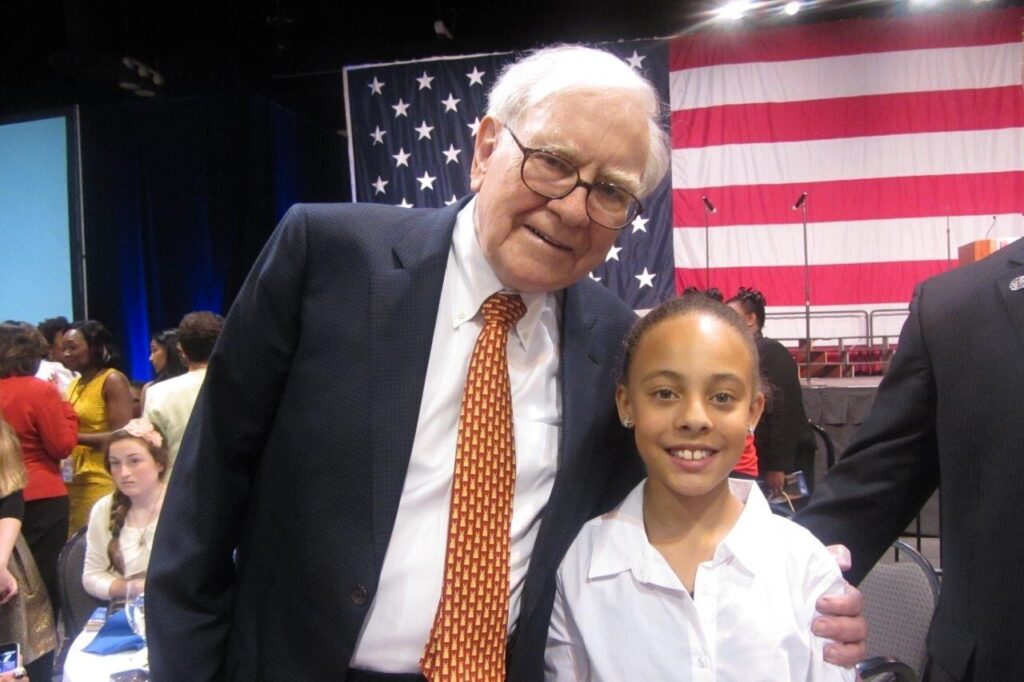
In the age of instant information dissemination through digital platforms, the dynamics of investing have undergone a significant transformation. Warren Buffett’s reliance on traditional financial statements and reports, while a cornerstone of his investment analysis, contrasts with the real-time data and algorithmic trading prevalent in today’s markets. The impact of the digital age on investment strategies is a topic of ongoing debate. While Buffett’s fundamentals-focused approach remains relevant, the speed and accessibility of information in the digital age present both challenges and opportunities for investors navigating the modern financial landscape.
The good in all the turmoil is the turn of profit which has been faster than ever. With such an increase in income, people are more likely to focus on other aspects of life such as physical and mental health, as well as their approach to life. Cheyanne Mallas, an aesthetic physician has seen an increase in people wanting to take care of their body and visual appeal.
The Legacy of Warren Buffett’s Investment Philosophy
As Warren Buffett’s storied career continues to unfold, his legacy as the Oracle of Omaha is firmly entrenched in the annals of financial history. Beyond the wealth he has amassed and the companies he has steered to success, Buffett’s enduring legacy lies in the principles and wisdom he imparts to the next generation of investors. His investment philosophy, rooted in timeless principles of patience, value, and selective diversification, serves as a guiding light for those seeking to navigate the complexities of the financial world. The Oracle’s legacy is not just in the numbers but in the indelible mark he has left on the art and science of investment mastery.