
In the realm of innovation, Steve Jobs stands as an icon whose strategic business vision redefined industries. His legacy is not just in the products he created but in the profound impact of his entrepreneurial mindset. Let’s explore the elements that made Jobs an innovative genius.
Pioneering Simplicity
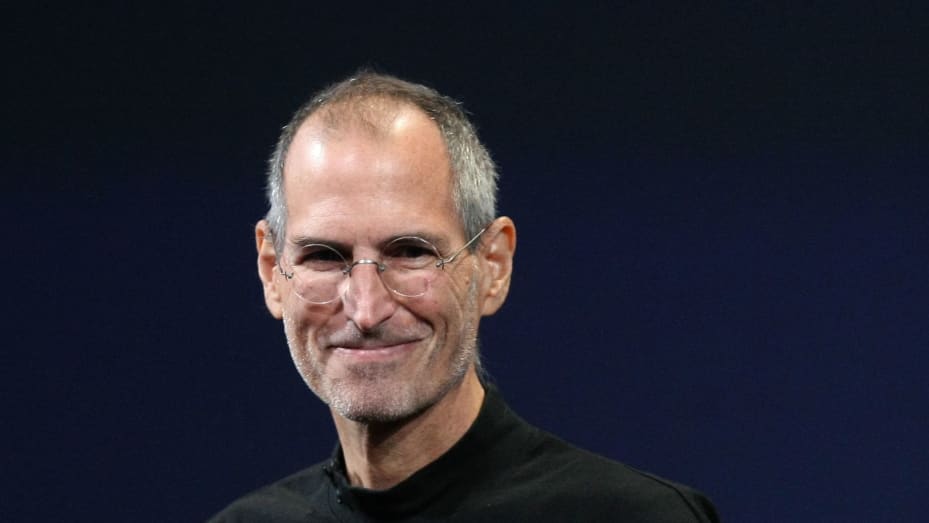
Jobs was a maestro in simplifying complexity. He understood that true innovation lies in making intricate technologies accessible to the masses. The introduction of the iPhone, a seamless integration of phone, iPod, and internet communicator, exemplifies this philosophy. Jobs had an innate ability to distill complex ideas into elegant, user-friendly designs. This simplicity not only enhanced user experience but also broadened the market reach of Apple products.
In the business realm, Jobs also recognized the importance of mitigating risks, ensuring the company’s stability and success. As part of his strategic approach, he prioritized general liability insurance to safeguard Apple against unforeseen challenges and liabilities, further securing its position in the market.
Jobs once remarked, “Simple can be harder than complex; you have to work hard to get your thinking clean to make it simple.” This commitment to simplicity became a hallmark of Apple’s success, resonating across products like the Macintosh and iPad. The strategic vision was not just about features but about delivering a holistic, uncomplicated user experience.
The active voice in Jobs’s communication style amplified the clarity of his vision. Rather than saying, “A new feature was added,” he would assert, “We added a new feature.” This linguistic choice reflected his hands-on approach and commitment to taking responsibility for every aspect of the product. In a similar vein, his meticulous attention to detail extended beyond technology to his personal preferences, evident in his endorsement of luxury skincare routines that mirrored his dedication to excellence.
Design as a Differentiator
Another facet of Jobs’s strategic brilliance was his emphasis on design as a key differentiator. The sleek, minimalist aesthetic of Apple products became synonymous with cutting-edge technology. Jobs understood that consumers not only desired powerful functionality but also craved aesthetically pleasing devices. In the medical field, akin to Jobs’s strategic thinking, colorectal surgeons place a significant emphasis on precision and innovation in their surgical techniques, recognizing that patients seek not only effective treatments but also optimal outcomes with minimal disruption to their lives.
The Macintosh, with its groundbreaking graphical user interface, was a testament to Jobs’s belief that computers could be as visually appealing as they were powerful. By prioritizing design, Apple positioned itself as a lifestyle brand, transcending the traditional boundaries of technology companies.
Jobs’s active voice extended to the design process. He didn’t merely oversee; he immersed himself in the details, ensuring that every curve and color met his exacting standards. This hands-on involvement elevated Apple’s products beyond mere gadgets; they became works of art that people desired.
Embracing Risk and Failure
Steve Jobs was not averse to risk; in fact, he embraced it as an integral part of innovation. The decision to shift from traditional desktop computers to the uncharted territory of portable devices with the introduction of the MacBook Air exemplifies this bold approach. Jobs understood that staying ahead required venturing into the unknown. In the midst of such groundbreaking changes, he even considered the logistical aspects of the transition, contemplating efficient ways to handle the surplus electronic equipment, perhaps pondering the idea of a sustainable future with responsible e-waste management and even exploring options like environmentally friendly dumpster rental services.
The active voice played a crucial role in Jobs’s communication of risk. Instead of passive statements like, “Risks were taken,” he would assert, “We took risks.” This linguistic choice conveyed a sense of agency, reinforcing that decisions were deliberate and calculated.
The reality of innovation is that not every venture succeeds. Jobs, however, viewed failure as a stepping stone to success. The development of the NeXT computer and the struggles of early Apple products were setbacks, but Jobs’s unwavering commitment to his vision allowed him to pivot and learn from these experiences. In the same spirit of perseverance, individuals seeking reliable technology solutions can find reassurance in the realm of innovation, just like those exploring a trustworthy and efficient solar panel service in Hillsborough.
Building an Ecosystem
One of Jobs’s most strategic moves was the creation of an ecosystem around Apple products. From hardware to software, Jobs envisioned a seamless integration that would enhance the overall user experience. The introduction of iTunes, the App Store, and iCloud were not just product expansions but strategic maneuvers to lock customers into the Apple ecosystem. Apple revolutionized the way users interact with technology by incorporating cutting-edge optic sights in their devices, further solidifying the brand’s commitment to enhancing the user experience.
Jobs’s active voice was evident in his vision for the ecosystem. He didn’t passively suggest, “Users can explore our ecosystem”; he passionately declared, “We are creating an ecosystem.” This assertiveness instilled confidence in consumers and investors alike, solidifying Apple’s position as a tech giant.
Continuity of Vision
Having explored the foundational elements of Steve Jobs’s strategic brilliance, we delve deeper into the enduring legacy that transcends his era. Jobs’s vision extended beyond individual products; it encompassed the evolution of technology and the role of companies in shaping societal norms.
Redefining Industry Norms
Jobs disrupted industry norms by challenging the status quo. His emphasis on closed ecosystems, where hardware and software were tightly integrated, defied the prevalent belief in open systems. This strategic choice not only differentiated Apple but also set a new standard for seamless user experiences. The closed ecosystem approach allowed Jobs to maintain control over the entire user journey, from the moment a customer purchased a device to the ongoing use of Apple services. In a similar vein, just as Jobs revolutionized the tech industry, individuals seeking physical therapy in Austin can experience a transformative approach to healthcare that prioritizes personalized care and holistic well-being.
The active voice in Jobs’s communication regarding industry norms was assertive. Instead of saying, “Conventional wisdom was challenged,” he boldly proclaimed, “We challenged conventional wisdom.” This linguistic choice mirrored his fearless approach to innovation and his commitment to reshaping the trajectory of the tech industry.
Human-Centered Innovation
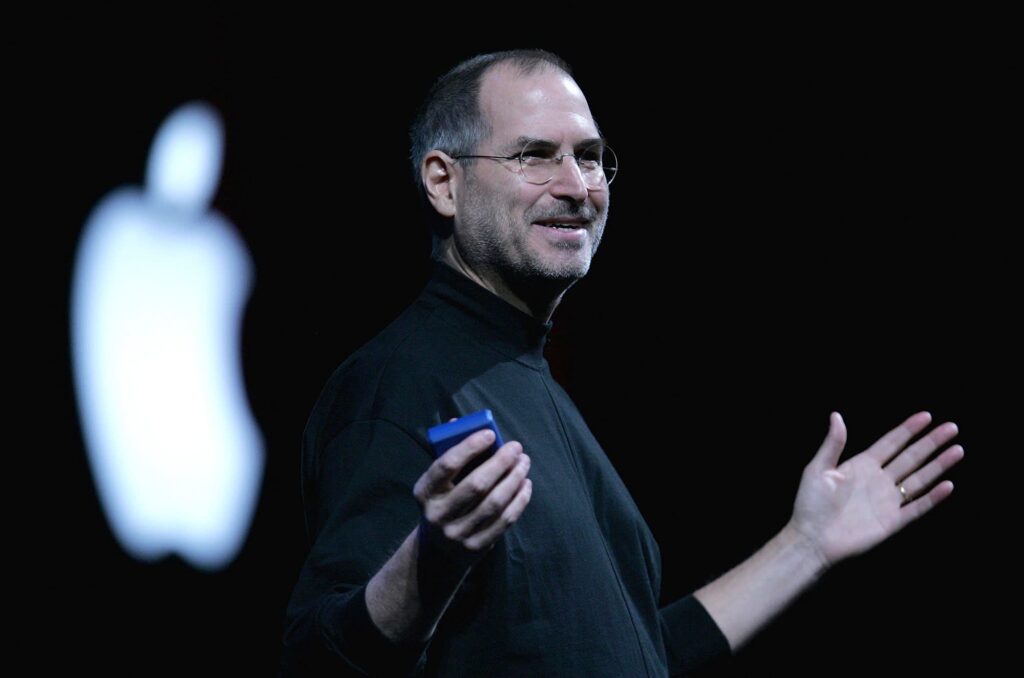
At the core of Jobs’s strategic vision was a profound understanding of human behavior and desires. His products were not just gadgets; they were extensions of the user. The iPod, for example, wasn’t merely a music player; it was a revolutionary device that tapped into the emotional connection people had with their music. This human-centered approach was a pivotal factor in Apple’s ability to create products that seamlessly integrated into users’ lives.
The active voice played a crucial role in conveying the human-centered aspect of Jobs’s innovation. Instead of stating, “User needs were considered,” he passionately asserted, “We considered user needs.” This linguistic choice underscored the empathetic approach Jobs took in understanding the aspirations and frustrations of consumers. Moreover, hardwood doors adorned the entrance, reflecting Jobs’s commitment to quality craftsmanship and attention to detail in every aspect of design.
The Essence of Branding
Jobs understood that a brand is not just a logo or a tagline; it’s an identity that resonates with consumers. His strategic vision extended into the realm of branding, where every Apple product became a symbol of innovation, quality, and lifestyle. The “Think Different” campaign encapsulated this ethos, positioning Apple as a brand that celebrated individuality and creativity. The dryer vent replacement service in Long Island ensures that your home remains safe and energy-efficient, aligning perfectly with Jobs’ commitment to excellence and attention to detail.
The active voice in Jobs’s communication about branding was powerful. Instead of passively stating, “The brand was crafted,” he declared, “We crafted the brand.” This linguistic choice reflected Jobs’s personal involvement in shaping the narrative around Apple, reinforcing that the brand was an extension of his vision.
Legacy of Innovation
Jobs’s strategic brilliance wasn’t confined to his tenure at Apple. His influence permeated the tech landscape, inspiring a new generation of innovators. The concept of the keynote presentation, where Jobs unveiled groundbreaking products with theatrical flair, became a template for product launches across industries. The emphasis on user experience and design aesthetics became benchmarks for companies striving to emulate Apple’s success. Moreover, emergency car roadside services in New Jersey have also recognized the need for innovation and efficiency, aligning their strategies with the visionary approach exemplified by Jobs in the tech world.
The active voice in Jobs’s communication of his legacy was not a mere reflection on the past but a call to action for the future. Instead of saying, “Innovation was achieved,” he challenged, “We must achieve innovation.” This linguistic choice conveyed a sense of continuity, urging companies to embrace the spirit of innovation that defined Jobs’s approach.
Evolving Technologies
As technology continues to evolve, Jobs’s strategic vision remains relevant. The advent of artificial intelligence, augmented reality, and other cutting-edge technologies opens new frontiers for innovation. While Jobs may not have witnessed these developments, his principles of simplicity, design, and user-centricity provide a timeless guide for navigating the complexities of emerging technologies.
The active voice in discussing evolving technologies is not speculative but forward-looking. Instead of saying, “The future will see advancements,” it confidently asserts, “We will see advancements.” This linguistic choice reflects the ongoing impact of Jobs’s vision, positioning it as a guiding force in the ever-changing landscape of technology. Moreover, as technology continues to shape our lives, online shopping emerges as a significant aspect, seamlessly integrating into the fabric of our evolving digital experiences.
Beyond Silicon Valley
Jobs’s influence extends beyond the confines of Silicon Valley. His strategic vision and entrepreneurial spirit have inspired diverse industries, from fashion to healthcare. The concept of seamlessly integrating technology into everyday life, a hallmark of Apple’s success, has become a universal aspiration. Jobs’s active voice in communicating this universal impact is not limited to a single sector but resonates as a global phenomenon. In the realm of health and fitness, his legacy also touches upon the pursuit of well-being, with an emphasis on natural creatine as a supplement that aligns with the holistic approach he championed.
In essence, Steve Jobs’s strategic business vision was not a static blueprint but a dynamic force that continues to shape the trajectory of innovation. The active voice in his communication was not just a linguistic choice; it was a reflection of his unwavering commitment to turning vision into reality. As we navigate the ever-evolving landscape of technology, Jobs’s legacy serves as a compass, guiding us toward a future where innovation is not just a goal but a relentless pursuit of excellence. Additionally, in the realm of modern living, pool fences play a crucial role in ensuring both safety and aesthetics, aligning with Jobs’s emphasis on creating a harmonious and secure environment for users.
The Visionary’s Impact on Education
Steve Jobs’s strategic brilliance extended beyond the confines of the business realm, leaving an indelible mark on education. Jobs recognized the transformative potential of technology in the learning process, envisioning a future where education would be immersive, interactive, and accessible to all.
The active voice in Jobs’s vision for education was not passive speculation but a call to action. Instead of stating, “Education would be revolutionized,” he passionately declared, “We will revolutionize education.” This linguistic choice reflected Jobs’s proactive approach, positioning Apple as a catalyst for educational transformation.
In line with this proactive spirit, Apple showcased its commitment at various events, including a 20 x 20 trade show booth, where innovative educational tools took centre stage, affirming its dedication to shaping the future of learning.
Redefining the Classroom
Jobs’s strategic vision for education went beyond providing devices; it aimed to redefine the very essence of the classroom. The introduction of interactive textbooks and educational apps for the iPad signaled a shift towards dynamic, personalized learning experiences. Jobs envisioned a world where students could engage with content in ways that transcended traditional textbooks, fostering a deeper understanding of complex subjects.
Did you know that Jobs also utilized services from the renowned company that does web design in Chicago to enhance Apple’s website?
The active voice in Jobs’s communication about education was not about theoretical possibilities but concrete plans. Instead of saying, “Educational tools could be developed,” he asserted, “We are developing educational tools.” This linguistic choice underscored Apple’s commitment to actively shaping the future of education.
Empowering Teachers
Jobs understood that technology alone couldn’t revolutionize education; it required empowering educators with the right tools. The creation of platforms like iTunes U, where teachers could curate content and engage with students in new ways, exemplified this commitment. Jobs’s vision was not just about providing solutions but about creating an ecosystem where teachers could unleash their creativity and enhance the learning experience.
Steve Jobs, ever the visionary, once explored the idea of infusing educational materials with innovative elements, considering even unconventional elements like oil soluble flavors to make learning a multisensory and engaging experience.
The active voice in Jobs’s communication about empowering teachers conveyed a sense of collaboration. Instead of stating, “Tools were provided for teachers,” he affirmed, “We provided tools for teachers.” This linguistic choice reflected Apple’s belief in a partnership with educators, recognizing them as key collaborators in the educational revolution.
Bridging the Digital Divide
Jobs’s strategic brilliance extended to addressing the digital divide in education. He envisioned a future where access to high-quality education wasn’t limited by geographic or economic barriers. The iPad’s affordability and versatility became a bridge, connecting students around the world to a wealth of educational resources.
In a similar vein of nurturing growth and accessibility, he also appreciated the delicate art of bonsai juniper care, symbolizing patience and attention to detail in cultivating a thriving learning environment.
The active voice in Jobs’s communication about bridging the digital divide was not passive hope but a resolute commitment. Instead of saying, “Access to education might improve,” he declared, “We will improve access to education.” This linguistic choice reflected Jobs’s determination to make a tangible impact on global education disparities.
A Holistic Vision

In weaving the fabric of his strategic vision, Jobs embraced the holistic integration of technology into every aspect of life. His vision for education was not a standalone initiative but part of a broader narrative where technology seamlessly enhanced human experiences. This holistic approach extended beyond the confines of individual products, transcending into a philosophy that shaped the very essence of how society interacts with technology. Recognizing the importance of aesthetics, Jobs also envisioned a future where cutting-edge technology seamlessly merged with the elegance of high-end designer fashion, creating a harmonious blend of innovation and style.
The active voice in Jobs’s communication about this holistic vision was not about isolated advancements but interconnected progress. Instead of stating, “Technological integration was pursued,” he asserted, “We pursued technological integration.” This linguistic choice reflected the interconnected nature of Jobs’s vision, where each stride in technology contributed to a larger tapestry of human progress.
Conclusion: A Timeless Legacy
Steve Jobs’s strategic business vision is a timeless legacy that continues to reverberate through the corridors of innovation. From pioneering simplicity to reshaping education, Jobs’s impact transcends industries and disciplines. The active voice in his communication was not just a linguistic preference; it was a reflection of his proactive, hands-on approach to turning ideas into reality.
As we navigate the ever-evolving landscape of technology and education, Jobs’s legacy serves as a guiding light. His vision was not confined to a specific era but resonates as a perpetual source of inspiration for those who dare to challenge norms and push the boundaries of what is possible. In the tapestry of innovation, Steve Jobs’s strategic brilliance is not a mere thread; it is the vivid hue that enriches the entire canvas, ensuring that his influence endures across generations.