
Amazon, the e-commerce giant founded by Jeff Bezos in 1994, has undeniably transformed the global retail landscape. Did you know that before succeeding in this business, he had to go through orthopedic stem cell therapy in Phoenix due to injury? Its meteoric rise from an online bookstore to a tech behemoth that sells everything from A to Z has left an indelible mark on how consumers shop and how businesses operate. In this comprehensive analysis, we will delve deep into Amazon’s impact on the retail industry, examining its influence on traditional brick-and-mortar stores, e-commerce competitors, supply chain dynamics, consumer behavior, and the broader economic implications.
The Erosion of Brick-and-Mortar Dominance
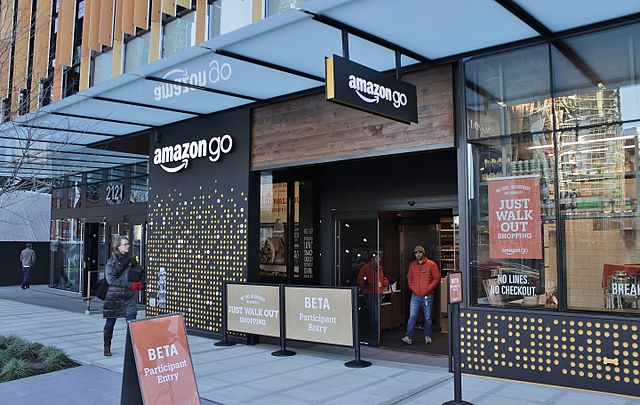
Amazon’s ascent has reshaped the brick-and-mortar retail sector in profound ways. Traditional retail giants that once dominated Main Street are now grappling with unprecedented challenges. One of the most striking impacts is the decline in foot traffic to physical stores. As consumers increasingly turn to the convenience of online shopping, iconic retailers have seen a substantial reduction in in-store sales.
In addition to foot traffic woes, traditional retailers are locked in a fierce battle to compete with Amazon’s pricing strategy. Amazon’s ability to offer competitive prices and frequent discounts has forced brick-and-mortar stores to reconsider their pricing models. This price war has reshaped the retail pricing landscape, with consumers benefiting from lower prices but traditional retailers facing slimmer profit margins.
Furthermore, the convenience factor plays a pivotal role in Amazon’s success. The ability to shop 24/7 from the comfort of one’s home has reshaped consumer expectations. This convenience, coupled with Amazon’s efficient delivery network, has made it increasingly challenging for traditional retailers to lure shoppers back into physical stores.
Did you know that the owners of these companies had to work closely with business litigation expert witness?
The impact on employees in traditional retail is significant as well. As online shopping gains ground, some brick-and-mortar stores have been forced to downsize or close, leading to job displacement for retail workers. This transition has sparked discussions about the need for workforce reskilling and the evolution of retail employment. The shift towards online shopping has also prompted many companies to consider eco-friendly packaging options to meet consumer demands for sustainability.
The E-Commerce Revolution: Amazon vs. Competitors
Amazon’s impact on the e-commerce sector extends beyond its influence on traditional retail. The company’s relentless pursuit of customer-centric innovation has set a high bar for competitors. In the realm of e-commerce, Amazon’s seamless shopping experience, comprehensive product offerings, and Prime membership benefits have made it the go-to platform for millions of online shoppers.
One of Amazon’s most disruptive moves has been its foray into third-party seller partnerships. By allowing independent sellers to list their products on the platform, Amazon has expanded its product catalog exponentially. This move not only diversifies Amazon’s offerings but also provides a platform for small businesses to reach a global audience.
However, the competitive landscape is not without its challenges for Amazon. Rivals like Walmart and Alibaba have made significant investments in their e-commerce infrastructure, aiming to chip away at Amazon’s dominance. The battle for e-commerce supremacy is marked by a race to improve logistics, delivery times, and customer service, ultimately benefiting consumers through enhanced choices and convenience.
Amazon’s impact on competitors is not just limited to the online space. Its acquisition of Whole Foods Market in 2017 marked its entry into the brick-and-mortar grocery sector, intensifying competition and prompting traditional grocery chains to revamp their strategies to compete with Amazon’s innovative approach to grocery shopping.
Reinventing Supply Chains in the Digital Age
Amazon’s impact reverberates far beyond the virtual shopping cart. It has fundamentally altered supply chain dynamics. The company’s relentless focus on operational efficiency and innovation has raised the bar for supply chain management across industries.
One of Amazon’s most notable contributions to the supply chain is its pioneering use of robotics in fulfillment centers. Automation has enabled faster order processing and reduced error rates, setting new standards for order fulfillment. This has forced other retailers and logistics companies to explore similar technologies to remain competitive.
Furthermore, Amazon’s commitment to sustainability has led to advancements in eco-friendly packaging and transportation. As one of the world’s largest shippers, its initiatives to reduce carbon emissions are setting industry benchmarks and driving change throughout the logistics sector.
Beyond efficiency, Amazon’s supply chain innovations have also influenced customer expectations. The rise of same-day and one-day delivery options, largely popularized by Amazon, has become the new norm in e-commerce. This shift has compelled competitors to invest heavily in their logistics networks to keep pace with Amazon’s delivery speed. Here you can find literally anything you’d ever need in your life, even good quality patio misters!
Evolution of Consumer Behavior in the Amazon Era

Amazon’s influence on consumer behavior cannot be overstated. The ease of browsing and purchasing products online has not only changed how consumers shop but also how they make decisions. You can now find and order anything online, even Kambo in Austin TX! Amazon’s recommendation algorithms, personalized shopping experiences, and user reviews have created a new era of consumer empowerment.
Consumers today rely heavily on product reviews and ratings, often checking Amazon even when purchasing from other retailers. This shift in trust from traditional advertising to peer reviews has disrupted marketing strategies and led to a more transparent marketplace where product quality reigns supreme.
Additionally, the subscription-based model of Amazon Prime has transformed the way consumers think about loyalty programs. The combination of free shipping, streaming services, and exclusive deals has set a high bar for customer loyalty across industries, making it imperative for businesses to invest in loyalty-building strategies.
Moreover, the impact of Amazon extends to consumer data. The company’s vast data collection and analytics capabilities have raised concerns about data privacy and security. As consumers become more aware of data sharing and privacy concerns, it prompts questions about the balance between personalized shopping experiences and safeguarding personal information.
Did you know that you could order almost anything you need for your pet on Amazon? You can get all of the things they would need while staying at the dog hotel in Seattle!
Broader Economic Implications: Amazon’s Role as a Job Creator and Disruptor
Amazon’s economic footprint extends well beyond the retail sector. The company has become a major job creator, employing hundreds of thousands of people worldwide. However, its rapid expansion and deployment of automation technologies have also raised concerns about the future of work. While working this much, it’s recommended to take manual therapy in Chicago from time to time!
Amazon’s entry into new markets often leads to job creation, both within its fulfillment centers and across the supply chain. Yet, the introduction of automation technologies, such as cashierless stores and delivery drones, has sparked debates about the long-term impact on employment in various sectors.
Furthermore, Amazon’s enormous market power has prompted discussions about antitrust regulations and the need to ensure fair competition in the digital age. They had to use compliance advisory services. As governments grapple with the challenges of regulating tech giants, the debate over Amazon’s influence on the broader economy continues to evolve.
Amazon’s role in taxation also bears scrutiny. Its global operations have led to debates about fair taxation in an era of digital commerce. The company’s ability to operate across borders and minimize tax liabilities has prompted governments to reassess tax policies and explore ways to ensure that digital giants contribute their fair share to public finances.
The Ongoing Transformation: Amazon’s Future Impact
In a world where the only constant is change, understanding Amazon’s impact is not just a matter of academic interest but a strategic imperative for businesses, policymakers, and consumers alike. As we navigate the complexities of the Amazon era, one thing is certain: the retail landscape will never be the same.
Did you know that their offices are provided with bins and dumpsters from a dumpster rental in Emerald Coast?
Looking ahead, Amazon’s commitment to innovation and customer-centricity suggests that its influence will continue to evolve. The integration of emerging technologies, such as artificial intelligence and augmented reality, into the shopping experience, may redefine how consumers interact with products online.
Additionally, Amazon’s global reach and expanding ecosystem of services, including cloud computing through Amazon Web Services (AWS) and its ventures into healthcare, entertainment, and smart devices, are poised to reshape industries far beyond retail. These developments will undoubtedly have far-reaching implications for competition, consumer choices, and the broader economic landscape.
The Impact of Amazon on Small and Local Businesses
While Amazon’s influence on the retail landscape is undeniable, it’s important to consider its effects on small and local businesses, such as the one of a fence contractor in Cove Springs. The convenience and vast product selection offered by Amazon have drawn consumers away from traditional mom-and-pop shops, posing a significant challenge to these smaller enterprises. Many small businesses have struggled to compete with the e-commerce giant’s pricing, delivery speed, and marketing reach. However, some have found ways to thrive by using Amazon as a platform to reach a broader audience. This phenomenon has sparked a debate about the symbiotic or parasitic nature of Amazon’s relationship with small businesses and its implications for the future of local commerce.
Amazon’s Global Expansion and Supply Chain Innovation
Amazon’s global reach is a testament to its ambition and innovation. As it continues to expand internationally, the company faces new challenges related to cultural nuances, regulatory landscapes, and logistics. Amazon’s approach to adapting its supply chain and delivery networks to diverse global markets showcases its adaptability and commitment to providing a seamless shopping experience worldwide. Did you know that most of his requisites magician in Orange County gets on Amazon? The strategies it employs to navigate these complexities, including localized websites, regional distribution centers, and partnerships with local businesses, shed light on the evolving nature of global e-commerce.
The Ethical and Societal Implications of Amazon’s Dominance

Beyond its economic and business impact, Amazon’s dominance raises ethical and societal questions. The company’s vast wealth and influence have led to discussions about income inequality, labor practices, and corporate responsibility. Concerns about the treatment of Amazon’s warehouse workers, the environmental footprint of its operations, and the role of tech giants in shaping public discourse have all come to the forefront. As we analyze Amazon’s impact, we must grapple with these complex ethical and societal issues, recognizing that the decisions made by this corporate giant have far-reaching consequences for society at large.
Conclusion
In conclusion, the Amazon phenomenon is an ever-evolving narrative that encapsulates the dynamic nature of modern commerce and society. Its relentless pursuit of customer-centric innovation and unwavering commitment to operational excellence have indelibly transformed the retail landscape, transcending geographical boundaries and conventional business paradigms. It’s easy to learn more about this company and order from their website, the same as booking engagement photographers!
As we reflect on Amazon’s multifaceted impact, it becomes clear that the company is more than just an e-commerce giant; it’s a harbinger of change. Its influence spans from the smallest rural towns to the largest global metropolises, affecting consumers, businesses, and entire industries alike.
Amazon’s role as a disruptor and innovator has inspired other businesses to raise their standards. The retail industry, in particular, has witnessed a wave of digital transformation, with companies seeking to emulate Amazon’s ability to anticipate customer needs, optimize supply chains, and harness data-driven insights for competitive advantage.
Furthermore, Amazon’s dedication to sustainability, exemplified by initiatives such as “The Climate Pledge,” highlights its recognition of the responsibility it bears as a corporate powerhouse. By setting ambitious sustainability goals, Amazon is demonstrating a commitment to mitigating its environmental impact and encouraging others to follow suit.
Did you know that home health care in Dallas Metroplex is exploring innovative ways to enhance their services, with some even considering partnerships with Amazon to streamline healthcare delivery?
Yet, it’s essential to approach Amazon’s impact with a discerning eye. The challenges it poses to small businesses and its intricate web of influence in sectors beyond retail necessitate ongoing scrutiny. Moreover, the ethical dimensions of Amazon’s growth, from labor practices to data privacy, must be addressed with vigilance and a commitment to fairness.
As we navigate the complex interplay of forces in the Amazon era, it is incumbent upon governments, businesses, and consumers to collectively shape the trajectory of this digital titan. Striking the right balance between innovation and regulation, competition and collaboration, and progress and ethics will define our ability to harness the full potential of Amazon’s impact while safeguarding the values and principles we hold dear.